Patriotic Philanthropy
David Rubenstein and the Case for “Patriotic Philanthropy” in a Restless Age …
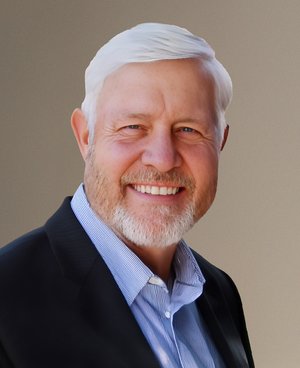
Photo Credit: DavidRubenstein.com
In American civic life, some philanthropists give quietly, and philanthropists who provide structurally: the giving that repairs the physical and moral infrastructure of our republic.
David M. Rubenstein belongs in that second category. Almost to himself. He is, by virtually any measure, one of the most consequential benefactors of American historical and cultural “icons” of the last two decades: monuments, archives, museums, and institutions that signal to ordinary citizens that the country still remembers who it is.
That is why his removal as chair of the Kennedy Center for the Performing Arts’ board – followed by a controversial and ill-considered renaming fight that has sparked cancellations and public backlash – landed as more than a personnel change. It read as a civic rapture: a shift away from critical stewardship and toward personal branding in a space created as a national memorial.
The Rubenstein Model: Wealth as a Repair Too, not a Trophy
Rubenstein co-founded the Carlyle Group and became one of the most successful figures in modern private equity. But his philanthropic reputation is not primarily built on splashy galas or naming rights for private enclaves. Instead, it’s built on what he himself has called “patriotic philanthropy” – using private capital to preserve public heritage and to keep foundational artifacts accessible to the people.
This is the through line: Rubenstein tends to fund places where Americans encounter the story of America, often in Washington, but not only there, and he tends to do it in ways that are legible to the public.
The Washington Monument: A Gift That Completed the Fix
When an earthquake damaged the Washington Monument, Rubenstein stepped in with a $7.5 million donation, announced by the Department of the Interior and the National Park Service as completing the necessary funding alongside federal support. In other words, he didn’t just help; he helped close the gap so the job could get done.
Lincoln Memorial: Finding Access, Preservation, and Education
Rubenstein also gave $18.5 million to support repairs and restoration at the Lincoln Memorial and to expand visitor-facing educational resources – another National Park Service–linked project designed to preserve an emblem that has served as a stage for the nation’s defining civic monuments.
The National Archives: “Records of Rights” and Civic Literacy
In 2011, the Foundation for the National Archives announced a $13,5 million gift from Rubenstein to enhance and expand the museum experience, including what became the David M. Rubenstein Gallery and the “Records of Rights” exhibition, an international investment in civic literacy around the Charters of Freedom and their context.
The Smithsonian’s National Museum of African History and Culture
Rubenstein donated $10 million to the Smithsonian’s National Museum of African American History and Culture, and reporting around the gift included his loans of rare Lincoln-signed documents for public display – an example of how his “patriotic philanthropy” isn’t only marble and granite, but also the hard truths of American history.
Monticello: Preserving Jefferson’s World, Including What It Tried to Hide
At Monticello, Rubenstein’s giving helped support restoration work tied to Jefferson’s home and, critically, to the site's historic interpretation – work that includes the physical spaces connected to enslaved people. Monticello’s own materials and major philanthropy reporting capture the scale and continuity of his commitments there.
The Kennedy Center: A Century-Scale Stewardship Post
By multiple accounts, Rubenstein’s relationship with the Kennedy Center ran deep – years on the board and a philanthropic role that was not incidental to the institution’s growth and capital projects. His removal amid a sweeping political takeover has become part of a larger national argument about whether cultural institutions should be governed as civic trusts or refashioned as instruments of personal and political identity.
What Others Say About Him: The “Extraordinary Partner” Effect
When institutions talk about David Rubenstein, a pattern emerges: they describe him as a doer, a completer, a partner who brings seriousness and follow-through. For example, the Smithsonian’s museum leadership publicly expressed gratitude for his support, calling him “an extraordinary partner” in coverage of his NMAAHC gift.
And in interviews, Rubenstein’s own language reinforces the ethos: he frames these gifts as a way to keep history in view so that citizens can be inspired and educated by what they see.
The Necessary Complication: Philanthropy, Power, and Public Trust
Any Generosity mediazine profile should also name the tension honestly. Rubenstein is celebrated for landmark giving, and he has also drawn scrutiny as a leading figure in an industry criticized for inequality dynamics and for defending tax structures like carried interest. That critique exists in serious journalism and policy debate, and it’s part of the modern philanthropic landscape: the same system that produces immense private wealth and can leave civic institutions underfunded, creating conditions in which “patriotic philanthropic” becomes necessary.
That does not erase the good. But it does clarify the stakes: the legitimacy of modern philanthropy depends on public trust, and public trust depends on a visible covenant of stewardship, especially when donors are influential and institutions are iconic.
Admittedly, nonetheless, we are fans of David Rubenstein’s generosity!
Why His Kennedy Center Exit Matters in Generosity Terms
I had the opportunity to talk to David Rubenstein a few years ago about our focus on preeminent philanthropy, and I found him to be forthcoming, clairvoyant, and purely selfless in his philanthropic vision.
That aligns with the public record of his giving: it consistently points outward – toward the preservation of shared assets, shared memory, and shared places.
By contrast, the Kennedy Center renaming controversy has been framed publicly as a move that centers the living politician, not the honored dead, and it has already produced measurable cultural fallout, from cancellations to resignations to public conflict.
In the language of preeminent philanthropy, this is the dividing line:
Stewardship philanthropy says: I will strengthen what belongs to the public.
Self-branding “philanthropy” says: The Public will strengthen what belongs to me.
David Rubenstein’s most visible work – monuments, archives, museums, political icons – has overwhelmingly belonged to the first tradition.
A Companion Sidebar from Generosity
The Rubenstein Standard: 8 Principles of Patriotic Philanthropy
At Generosity, we often distinguish between giving that helps and giving that holds – the latter being philanthropy that stabilizes institutions, preserves public trust, and strengthens civic continuity across generations. Few modern philanthropists embody that distinction more clearly than David Rubenstein.
Drawing from his public record, institutional statements, and the pattern of his giving, here is a practical framework donors, boards, and advisors can actually use.
1. Give to What Belongs to Everyone
Patriotic philanthropy prioritizes shared civic assets – monuments, archives, museums, and cultural institutions that are not gated by wealth, ideology, or exclusivity.
Rubenstein example:
Washington Monument, Lincoln Memorial, National Archives, Smithsonian museums.
Test question:
Would a school group, tourist, or first-time visitor experience this benefit directly?
2. Fund Completion, Not Perpetual Deferral
Preeminent philanthropy often shows up at the moment when public funding alone is insufficient – not to replace government, but to finish what must be done.
Rubenstein example:
Stepping in to close funding gaps for major restorations so projects could reopen.
Advisor Insight:
Completion capital creates outsized public goodwill relative to its dollar amount.
3. Preserve Truth, Not Just Beauty
Patriotic philanthropy is not nostalgia. It is preservation with honesty, including difficult chapters of national history.
Rubenstein Example:
Support for Monticello and the National Museum of African American History and Culture – sites that confront slavery and civil rights alongside founding ideals.
Red Flag:
If a gift requires historical sanitization, it’s not patriotic philanthropy – it’s objective philanthropy.
4. Respect Institutions as Trusts, Not Platforms
Civic institutions exist to serve the nation – not donors, politicians, or personal legacies.
Rubenstein Example:
Years of quiet stewardship at the Kennedy Center without personal branding theatrics.
Board Principle:
Governance is stewardship, not spotlight.
5. Separate Giving from Self-Promotion
Patriotic philanthropy avoids naming inflation, glorifying living people, or donor dominance that crowds out the mission.
Rubenstein Pattern:
His name appears but rarely overwhelms the institution or its purpose.
Generosity Rule:
If the donor’s story eclipses the institution’s story, the balance is off.
6. Strengthening Civic Literacy
The most enduring philanthropic gifts educate citizens, especially future ones.
Rubenstein Example:
Investments in exhibits, archival interpretation, and public-facing education at the National Archives.
Strategic Takeaway:
Education-focused philanthropy compounds across generations.
7. Partner with Public Institutions, Don’t Undermine Them
Patriotic philanthropy respects the role of government, while enhancing its capacity.
Rubenstein Approach:
Public-private alignment with the National Park Service, Smithsonian, and National Archives.
Modern Relevance:
This is the gold standard for public-private-philanthropic partnership without capture.
8. Leave Institutions Stronger Than You Found Them
The ultimate metric is not donor satisfaction. It’s institutional resilience.
Rubenstein Legacy Marker:
Institutions he supported remain open, relevant, and publicly trusted.
Final Test:
If the donor disappears tomorrow, does the institution endure better than before?
Why All of This Matters Now
In an era when philanthropy is increasingly politicized, personalized, or weaponized for reputation management, the Rubenstein standard offers a counter-model:
Civic over personal
Stewardship over spectacle
Continuity over conquests
For donors, boards, and advisors operating at the preeminent level, patriotic philanthropy is not about power. It’s about permanence.
Our hats are off to philanthropist David Rubenstein for a job well done and a philanthropic life well lived.